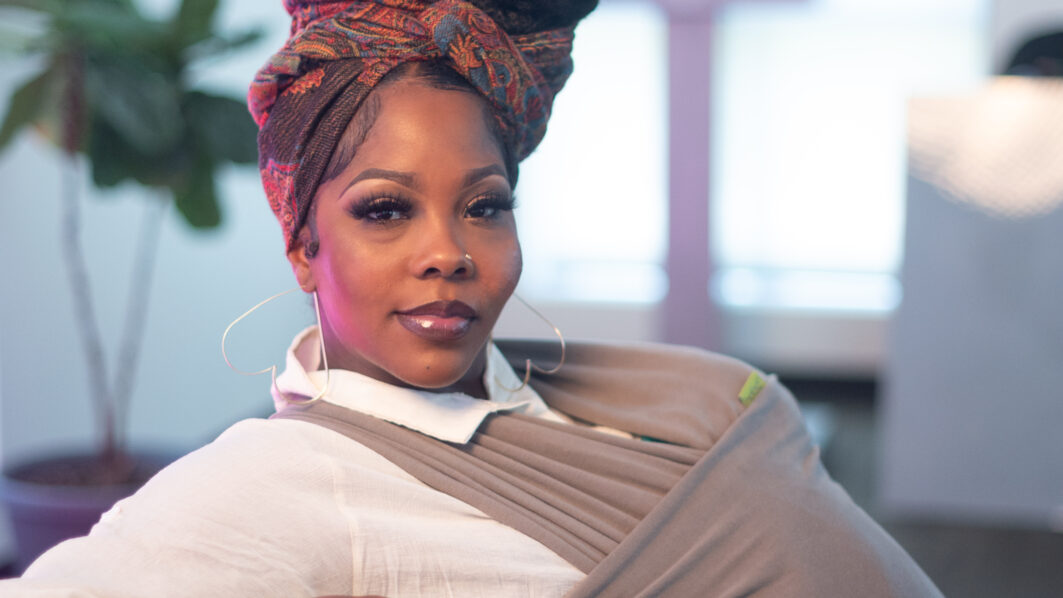
Nancy Davis and Shedric Cole on being denied abortion care in Louisiana
In the summer of 2022, Nancy Davis and her partner, Shedric Cole, were overjoyed to find out that Nancy was pregnant. Then, at a routine prenatal visit in their home state of Louisiana, everything changed.
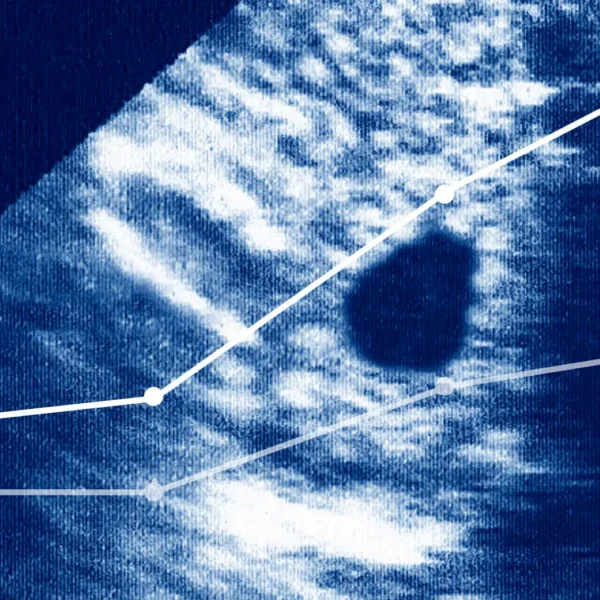
“I was doing great up until I went to my appointment,” Nancy remembered, “when the doctor told me that our baby was diagnosed with acrania. Most of the brain was missing, and the skull was missing. He also told us that these babies just don’t survive, and he recommended us to terminate the pregnancy for my safety and well-being.”
“Our situation was a month after Roe v. Wade was overturned,” Shedric recalled. “So it was still so many uncertainties about the laws and about what doctors were able to do.”
Because of Louisiana’s abortion ban, Nancy was forced to travel hundreds of miles to New York City to get the care she needed. Two years later, she and Shedric discussed the heartbreak of being denied essential health care, Nancy’s advocacy on behalf of other women in Louisiana and states with abortion bans, and the joy of welcoming their newborn, Starr.
Nancy and Shedric’s conversation was recorded by StoryCorps Studios, part of Abortion in America’s collection of interviews with people in Louisiana about the ways in which the state’s abortion ban has affected their lives.
It felt like a slap in our face. I felt like I was just an object, like I didn’t have control over my own body.
Audio Transcript
Nancy Davis: I was doing great up until I went to my appointment, when the doctor told me that our baby was diagnosed with acrania. Most of the brain was missing and the skull was missing. He also told us that these babies just don’t survive and he recommended us to terminate the pregnancy for my safety and well-being.
I think we both were just confused and trying to wrap our brain around our fetus not being able to survive outside the womb.
Shedric Cole: Yeah. First and foremost, this was a much-wanted baby.
Nancy Davis: Right.
Shedric Cole: So…
Nancy Davis: Right. Yeah.
Shedric Cole: Our situation was a month after Roe v. Wade was overturned.
Nancy Davis: Yeah.
Shedric Cole: So, it was still so many uncertainties about the laws and about what doctors were able to do.
Nancy Davis: Yeah. Yeah. Yeah. I mean, the laws were so vague to where the doctors were scared of giving me the care, because of the possibility of losing their license, being prosecuted, being fined.
Shedric Cole: At that (Mm-hmm) appointment, the doctors confirmed for us that the best option was to have a medical termination, but they would not be able to provide the care — that we would have to go a different route.
Nancy Davis: I remember we went to Delta Clinic, and a young lady was outside sitting in the car. And she told us that they were closed down for good, because abortion in Louisiana was illegal and so, they were getting ready to pack up and move out of state.
Shedric Cole: We knew the laws had been overturned, but we did think that, in our case, it would be an exception. Hearing that it wasn’t, it was like, you felt defeated, you know, you, you felt like, um…
Nancy Davis: Hopeless. Powerless.
Shedric Cole: Yeah.
Nancy Davis: It was like a slap in our face. I felt like I was just an object, like I didn’t have control over my own body.
Shedric Cole: It was just a lot of conversations, um, a lot of laying in the bed, trying to figure out the best place to go, being that our home state of Louisiana would not provide us the care that we needed.
Nancy Davis: And not only that, but, like, each state had different abortion bans in place, ‘cause some states, maybe six weeks (Right) cutoff limit. Some states 10 or 11 weeks, 14 weeks, you know?
Shedric Cole: So, it was more so figuring out somewhere that could accommodate us.
Nancy Davis: Yeah. Going to New York was real scary for me. Leaving my hometown of Baton Rouge, going to a foreign place where we don’t know anyone, to have a procedure. I was very, very emotional. But you was literally like my rock. I would say that it made us even closer.
Shedric Cole: It was difficult for me during that time, but as a man, you were my primary focus and just trying to make sure that you were okay.
So, what made you decide to speak out?
Nancy Davis: I knew if we were going through it, other people were going through it as well, whether they were coming forward or not. So, I felt a sense of responsibility and obligation to help as many others as I possibly could, for people who feel like their voice is silenced.
She thought she found an abortion clinic. It was a crisis pregnancy center.
The abortion she needed made room for the family she wanted.