She needed an abortion to treat a miscarriage. A California hospital refused to give her one
Synopsis
At 15 weeks pregnant with twins, Anna Nusslock started bleeding heavily. She learned she was having a miscarriage, and she needed an abortion. The only hospital near her rural California town refused to treat her. Because a heartbeat could still be detected, the Catholic hospital’s policy was to prohibit abortion. Anna lived in a state with strong abortion protections. She was still denied care.
Anna spoke with Abortion in America to bring greater attention and awareness to the experiences of patients who are denied abortions. The conversation below has been edited from the original transcript for length and clarity.
Anna: Two years ago, I was denied abortion care during a miscarriage at a religious hospital. They sent me away in the night with limited other options. They gave me a bucket full of towels to take with me “in case something happened in the car.”
Editor’s note: Anna had woken in the middle of the night to realize she was bleeding heavily. She rushed to the emergency room at Providence St. Joseph Hospital. She learned her water had broken far too early in her pregnancy, a condition known as previable preterm premature rupture of membranes, or PPROM).
Multiple doctors told Anna that her condition was a serious threat to her life and health. But because they could still detect a heartbeat in Anna’s womb, the Catholic hospital’s policy on abortion prevented them from providing treatment. She was told her options were to pay $40,000 for a helicopter transfer to San Francisco or to seek treatment at a different hospital nearby. The hospital discharged her while she was still bleeding and sent her on her way with a bucket of towels.
Anna’s husband drove her to the nearest hospital outside Eureka. By the time she reached the operating room, Anna was hemorrhaging and needed emergency surgery.
What I’ve learned is that across America—in all of the tiny towns and the swaths of the middle of nowhere—the same thing is happening.
What I’ve learned is that across America—in all of the tiny towns and the swaths of the middle of nowhere—the same thing is happening.
Hospitals are closing, birth centers are closing, and care is being consolidated. There’s no money, there are no providers. That consolidation leaves a lot of people vulnerable to mistreatment and denial of care.
If you zoom out and think about all the communities in rural America where this is happening, stories like mine are so common. The people in these stories—our communities rely on us. We’re health care providers, teachers, police officers. We are pillars in our communities. And when trauma from being denied care breaks us down, everyone who depends on us is affected too.
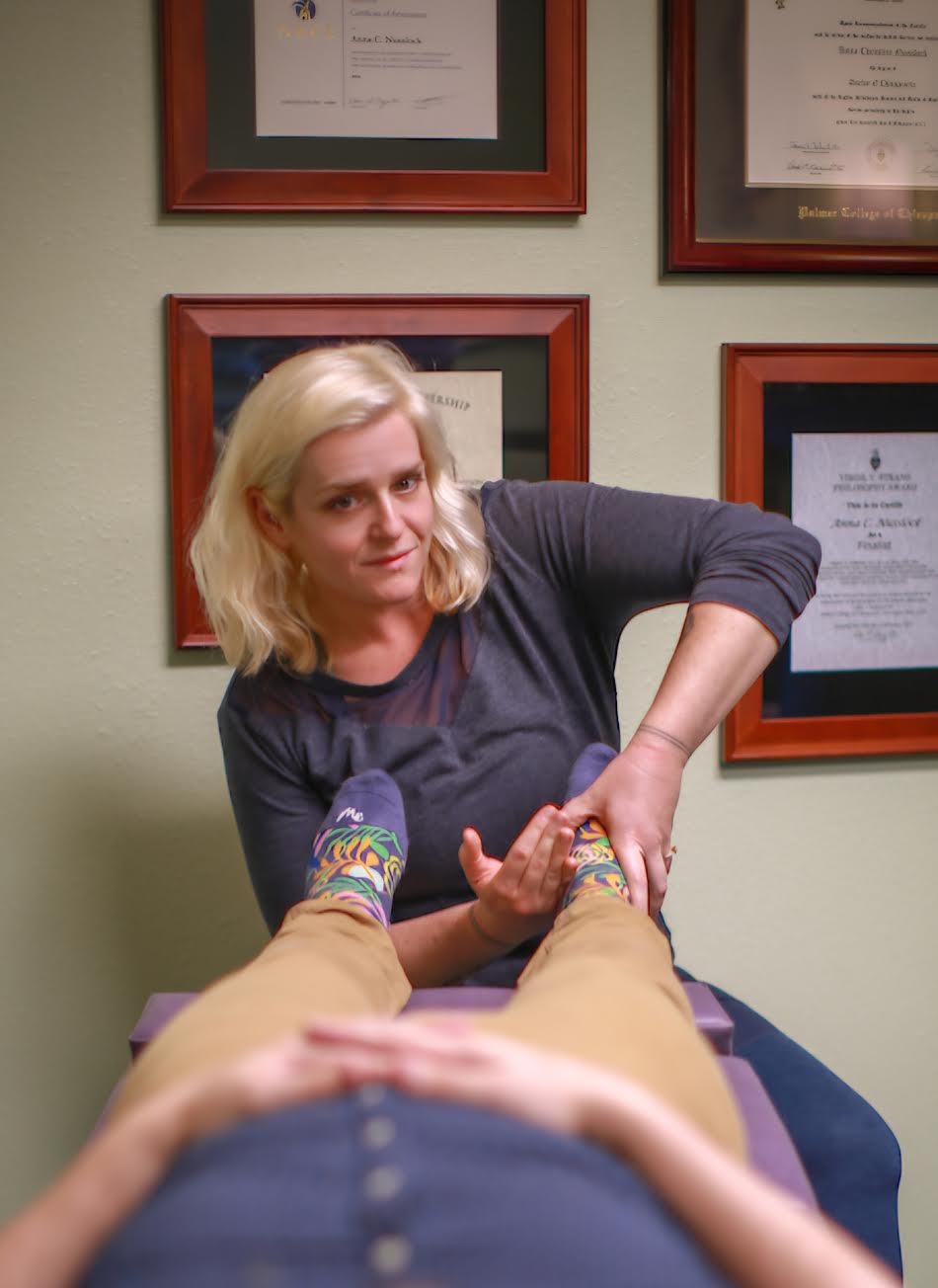
You can’t provide care if you need care yourself. I’m a healthcare provider, and in small towns and rural America, we need as many providers as we can get. If one of us is struggling, there aren’t backup doctors ready to step in. Patients have to wait, and they suffer while they wait.
I was deeply affected by the denial of care I experienced. I was very traumatized. It’s made it harder to care for my patients. It’s made it harder to grow my practice. And so the community I serve is affected by what I went through.
After my experience, I decided to come forward and tell my story because women in my town have such limited options for care. I did not want any of my friends or neighbors to be treated the way I was and go through such a horrible experience.
I didn’t want any of my friends or neighbors to be treated the way I was.
I’m from a small town in northern California—the kind of town where everybody knows everybody. So coming forward, I was terrified that everybody I saw in town would know about my miscarriages and my abortion. I thought they were all going to hate me. But that is not what happened at all.
I’ve received cards and flowers from strangers. People stop me at the grocery store to tell me they’re proud of me. We’re fighting this in court, and I have to keep going back, which is terrifying, but I never go alone. Every court date, there’s a crowd of people there with me, giving me strength and also fighting for themselves. One time we came to court and there were over 100 people there, holding signs and waving them in the street. It shows how much this means to our community.
To be enveloped by that support and love, it gives me strength. This was such a horrible, hard experience, and it’s still hard to talk about. But I’m not just talking about it for me. I’m talking about it for all of us, to try to protect other people.
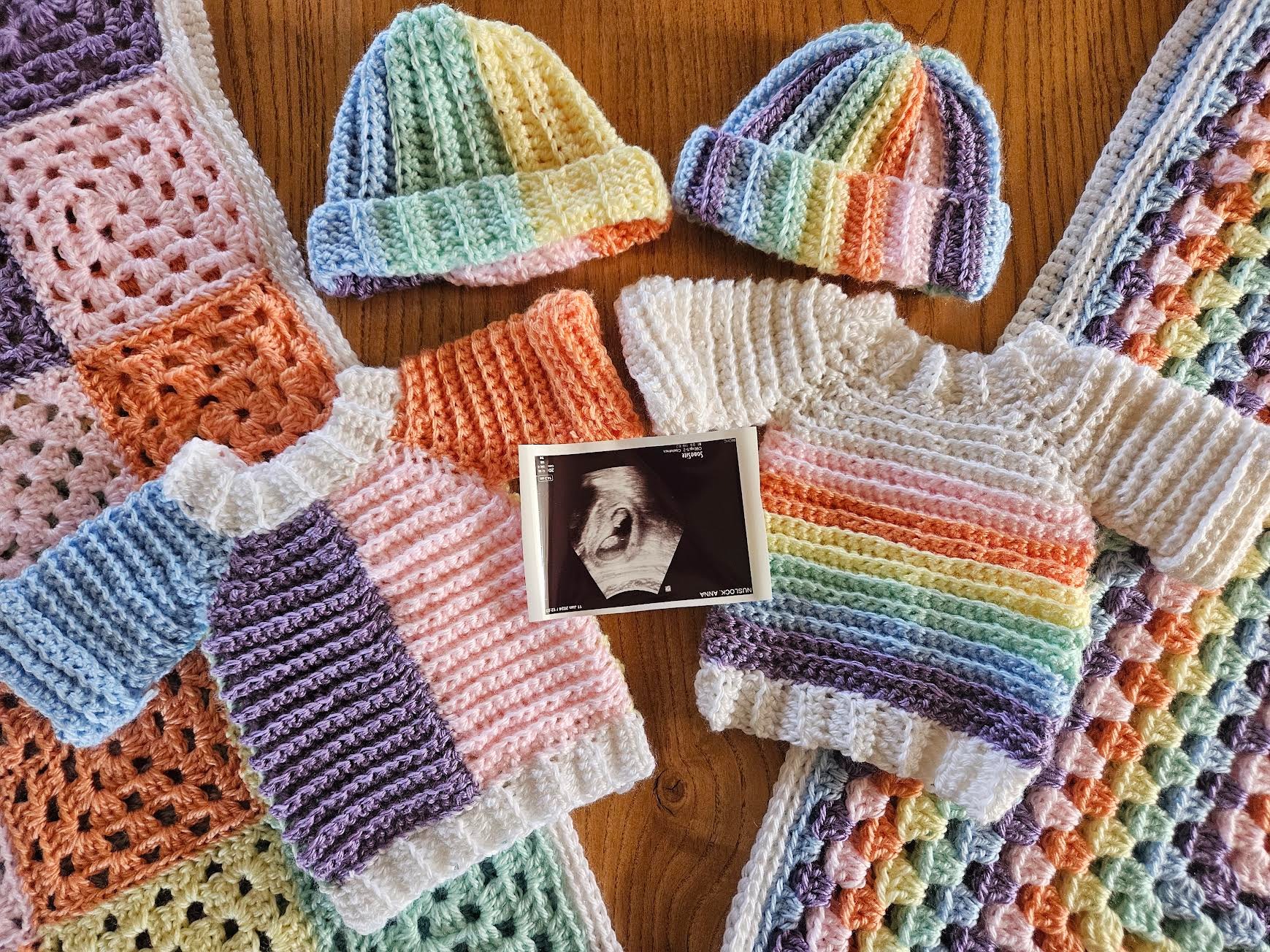
When I tell my story, I’m always thinking about my daughters. When I was pregnant with them, I truly believed they were going to change the world. And then we lost them.
But what I’ve come to realize is that they are still going to change the world, because they changed me.
If this happened to you or someone you love, contact Abortion in America or reach out to our team directly at Amplify Legal.
explore more stories from abortion in america
Woman said she went into sepsis before she could get lifesaving abortion care in Texas
She thought she found an abortion clinic. It was a crisis pregnancy center.