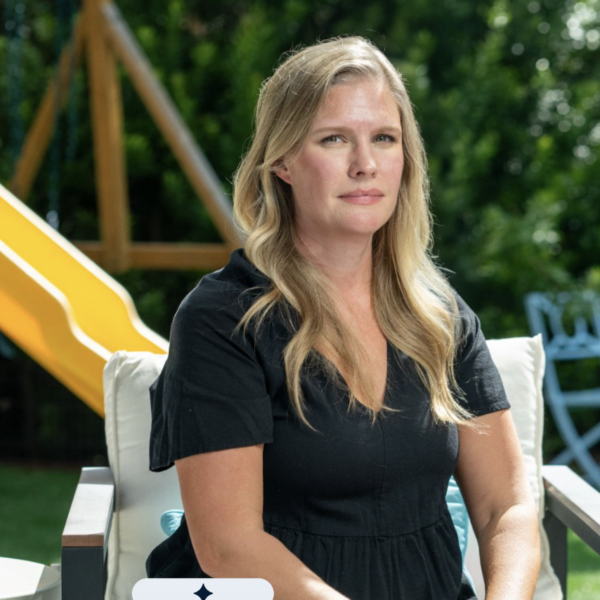
Two Louisiana women denied miscarriage treatment reflect on their friendship and the importance of speaking out
Across the country, abortion bans like Louisiana’s have upended pregnancy care. Because the medications and surgical procedures used to treat miscarriages are also used in abortion care, many doctors have stopped offering this care to patients experiencing pregnancy loss, out of fear of legal repercussions.
After Kaitlyn Joshua, a mother from Baton Rouge, publicly shared her experience of being sent home from two hospital emergency rooms in the midst of a miscarriage, she was inundated with messages from other women with similar stories.
One of those messages came from Haleigh Meyers, a friend of Kaitlyn’s. “You texted me one day, and I know we kind of, like, randomly text each other, but this day was a little different,” Kaitlyn remembered. “You said, ‘I’m pretty sure I’m having a miscarriage, but I don’t know.’”
Like Kaitlyn, Haleigh went to the hospital. Like Kaitlyn, she felt insulted and dismissed by doctors. And like Kaitlyn, her experience left her feeling determined to speak out in hopes of preventing others from feeling the same sense of fear and loneliness while trying to obtain essential health care.
Kaitlyn and Haleigh reflected on their experiences, their friendship, and their hopes for the future in a conversation recorded by StoryCorps Studios as part of Abortion in America’s collection of interviews with people in Louisiana about the ways in which the state’s abortion ban has affected their lives. This project was produced in collaboration with Glamour and the Newcomb Institute at Tulane University.
What I would want other people to know is they’re definitely not alone. And speaking out sometimes does help other people … Just hearing somebody else’s story could help them, could close that little scar on your heart.
Audio Transcript
Kaitlyn Joshua: You texted me one day, and I know we kind of, like, randomly text each other, but this day was a little different. You said, “I’m pretty sure I’m having a miscarriage, but I don’t know.”
Haleigh Meyers: When I went to my first visit at Woman’s Hospital, we did the ultrasound and the doctor was just real emotionless. She was like, “Either you’re miscarrying or you’re way too early. If you start miscarrying within five days, just call me.” And then pretty much just walked out the room.
It just kind of shocked me, because that was my doctor for my prior pregnancy before and we were pretty close, so it was just a change. I’ve seen a change.
Kaitlyn Joshua: Yeah.
Haleigh Meyers: And then, about five days after that doctor’s appointment, what she explained might happen, started happening. I never been through a miscarriage before. I didn’t know what to expect and what I endured at home, it was scary, you know. So, I ended up going to the hospital.
Well, once I got to the back and the doctor was checking me out, he was like, “Are you sure you were even pregnant?” I was like, is this even real? Like, is this really going on? I just felt like God was angry at me, like, what did I do wrong? It just kind of put me in a dark place.
Kaitlyn Joshua: Yeah. And I know how that is. I had just been through the same exact thing. I was left to navigate and manage my miscarriage by myself at my house. When I was seeking care, I was asked the exact same question, “Are you sure you’re even pregnant?” It just feels like such an insult that you’re even asking me that (Right) when it was already confirmed, you know? The provider even went so far as to say, “This just looks like a cyst to me. Not a baby,” as if I was the crazy person in the room. And so, it was wild that I opened my phone and you’re going through the same thing.
What do you wish more people knew about your experience?
Haleigh Meyers: I just want other people to know that they’re not alone and speaking out sometimes does help. Just hearing somebody else’s story could close that little scar on your heart.
Kaitlyn Joshua: I love that you said that, because you did that for me. I was really struggling after my miscarriage. And I felt like I was the only person in the world that was experiencing that. When you had reached out to me, it definitely saved me in a lot of ways. While I was absolutely distraught that, like, yet another person was going through miscarriage in this way, I just remember thinking, like, “Oh my God, like, I’m not alone in this.”
Haleigh Meyers: How are you so strong now to be an advocate for what’s going on in the state?
Kaitlyn Joshua: Um, I appreciate you for calling me strong. I feel like in a lot of ways I’m just not, but I think hearing hundreds of women having the same experience across our state, that’s what motivates me to, as you say, be strong, because I know that a bunch of sad and hurt and lonely women together is really powerful. I think it’s by design that we feel like we’re alone, so that we’re hopeless and that we don’t fight these issues. Because I know that if we don’t do it, nobody else will.
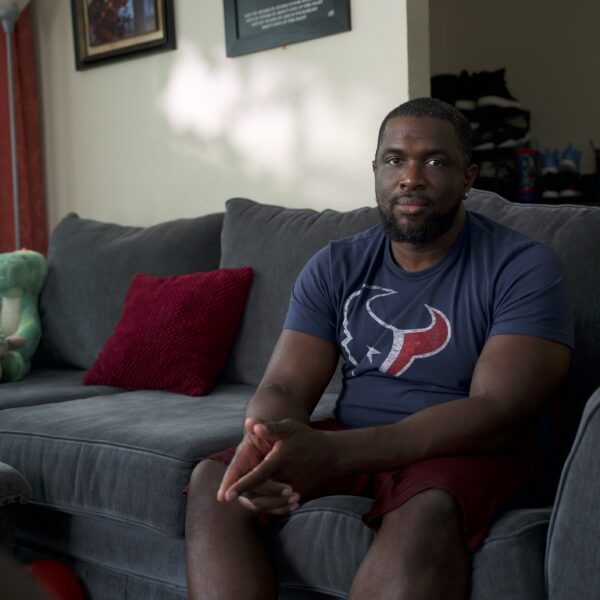
Hope Ngumezi thought his wife would come home from the hospital after suffering a miscarriage. She never did.
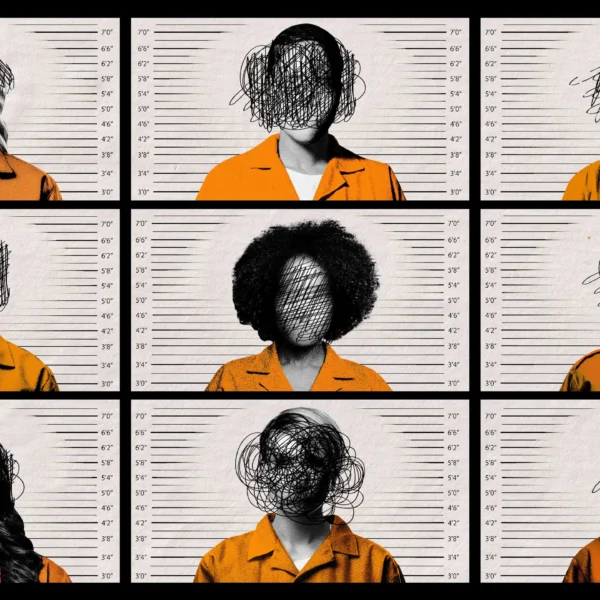
When Miscarriage Is Recast As Murder