When their girlfriends needed abortion care, they showed up
Synopsis
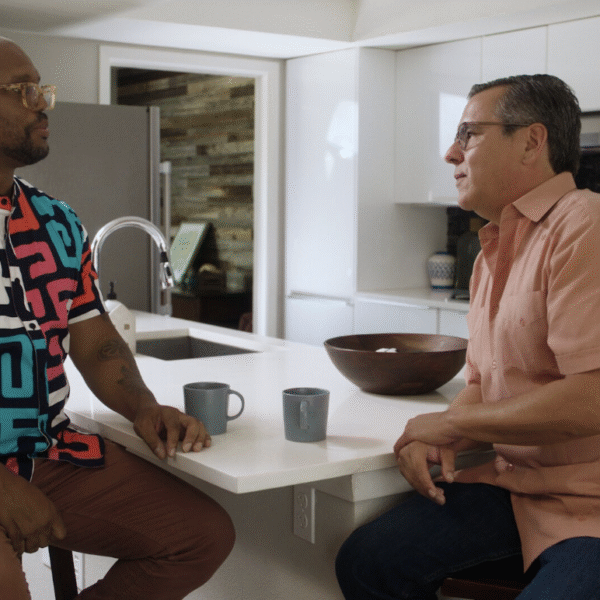
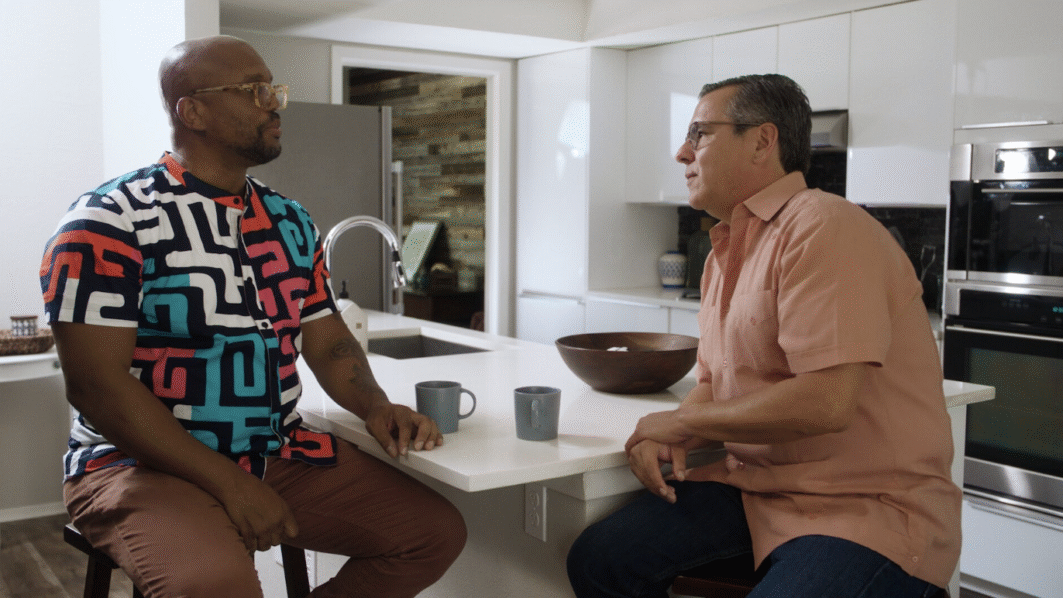
Samuel and Kazique are two men with their own abortion stories. Speaking with Abortion in America in Texas, they opened up about supporting partners through abortion, the pressure to be “perfect,” the fear they carry as men, and why more men need to speak openly about abortion.
Kazique: Even at the time, I thought I was well-informed. She told me, “I have an ectopic pregnancy, [a life-threatening pregnancy that grows outside the uterus]” I said, “Excuse me?” I had to be willing to admit, I don’t know what that is.
Samuel: When Abortion in America asked me about having a conversation with another man about a pretty heavy topic like abortion, you were the first person that came to my mind. But I didn’t know you had your own abortion story.
Kazique: It was some time ago, but it was with my future wife at the time and having to deal with an unplanned pregnancy that turned into an ectopic pregnancy. So having to navigate through that was a bit of a challenge. New relationship, difficult situation.
Samuel: Oh, it was a new relationship?
Kazique: Yeah. I mean, we were together probably at that point, maybe a year or so. But I don’t even think I proposed to her at that point. I knew I loved her, but it was a big thing we had to deal with that involved a lot of different people and moving parts.
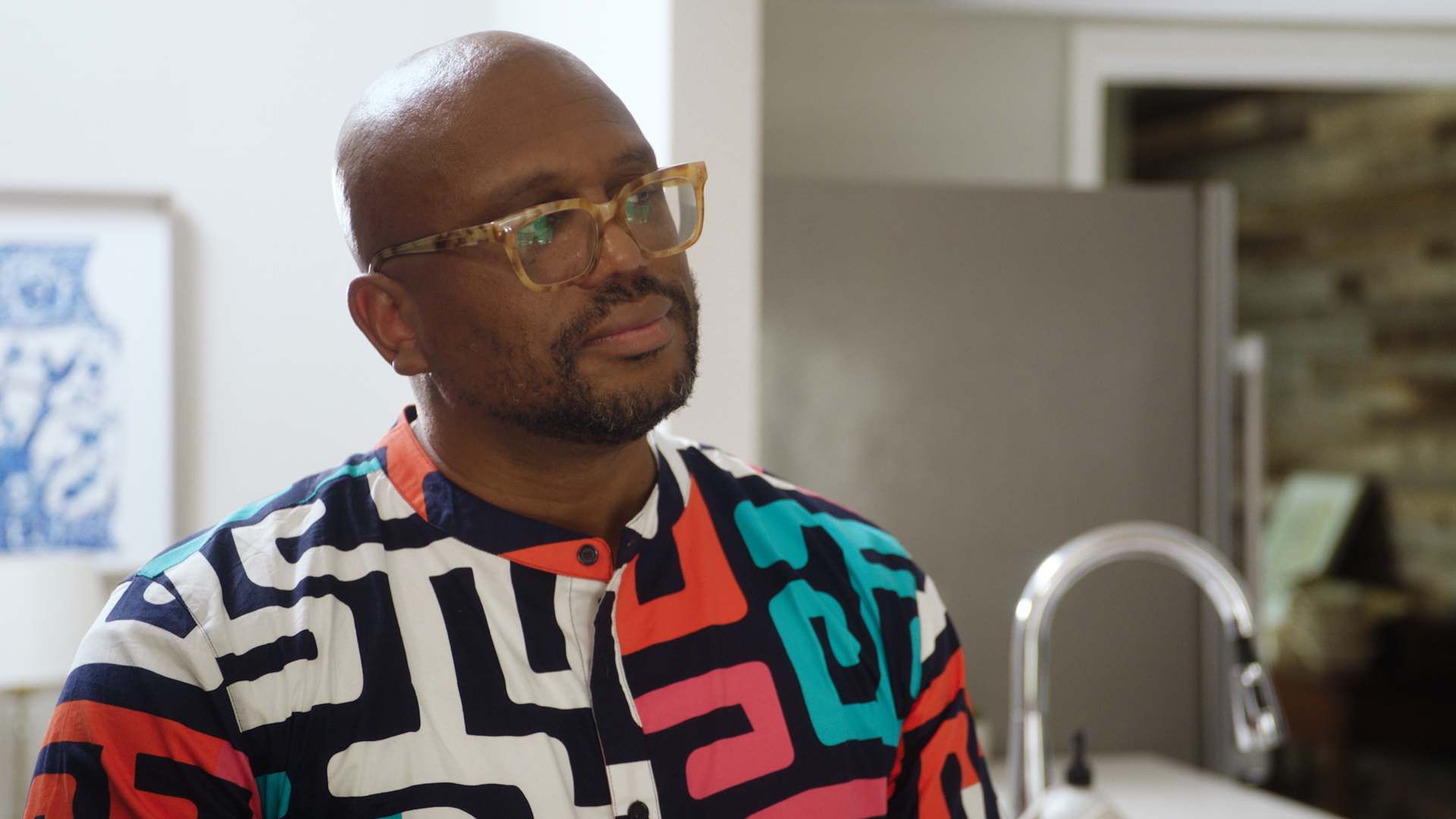
When I first found out, I was scared. Scared about the idea of being a dad. But then another part of me was excited about being a dad, because I didn’t have my father around really. So the idea that I was going to be a dad one day, I was excited, but scared at the same time.
When we found out we were pregnant, we didn’t know what the future of the relationship was going to be. Then some days later, after finding out it was an ectopic pregnancy, it just brought up all kinds of feelings and emotions. All of a sudden you had to figure out “What is my stance on abortion?” Because up to that point, it was just a philosophical idea.
Samuel: It’s really the only thing you can do for ectopic pregnancies.
Kazique: Right. I was scared for her.
Samuel: This is a medical necessity.
Kazique: Very much so. Where it was placed inside of her, it was absolutely necessary. They said, “If you didn’t have this procedure, there’s a threat to her life.”
When I look back in retrospect, it was never really a discussion about whether it should happen or not, because it was going to happen.
I’ll be honest, when I think about today, I couldn’t imagine that situation arising here in Texas. Because if I had that same situation in Texas, I think I would’ve been even more scared.
Kazique: Tell me your story. I know you have your own story, but I haven’t heard it before.
Samuel: Yeah, I was living in Oklahoma at the time. I had just moved there, and she called me and said she was pregnant.
I immediately came back to El Paso. I wanted to be there to support her through this decision. Again, like you said, it was her decision, but I wanted to be able to support her through this decision.
As I was flying to El Paso, I didn’t call any of my family. I didn’t even call my best friend. I called nobody.
There was shame around, like, “You’re not supposed to be having sex, you’re not married.” You know?
Granted, I was in my mid-twenties, but still, there was all this shame around it. Because if you’re not married, you’re not “doing things right.”
I didn’t have anybody to talk to, to be honest with you. I’m super glad that we’re having this conversation now.
There was all this shame around it. Because if you’re not married, you’re not ‘doing things right.’
Kazique: I’ll be honest, one of the things that went through my mind when I was thinking about my family is them asking like, “Why you messing up? You’re supposed to be perfect.”
Samuel: Yeah.
Kazique: “We are supposed to be handling business. Why are you messing up?”
Samuel: I think one of the reasons why men don’t talk about abortion as much as we should, as much as we need to, is because we don’t know that other people have had abortions. It’s not something that people say. I don’t wear a baseball cap that says “I had an abortion!”
When I told you that I wanted to have a conversation with you about my abortion story, I didn’t know you had your own abortion story. I was like, “Woah! Damn.”
Kazique: There’s this pressure to know, and you have to say, “I don’t know,” and, “how do I become part of this conversation?” There’s all these layers happening in the process, on top of the political, social, and medical.
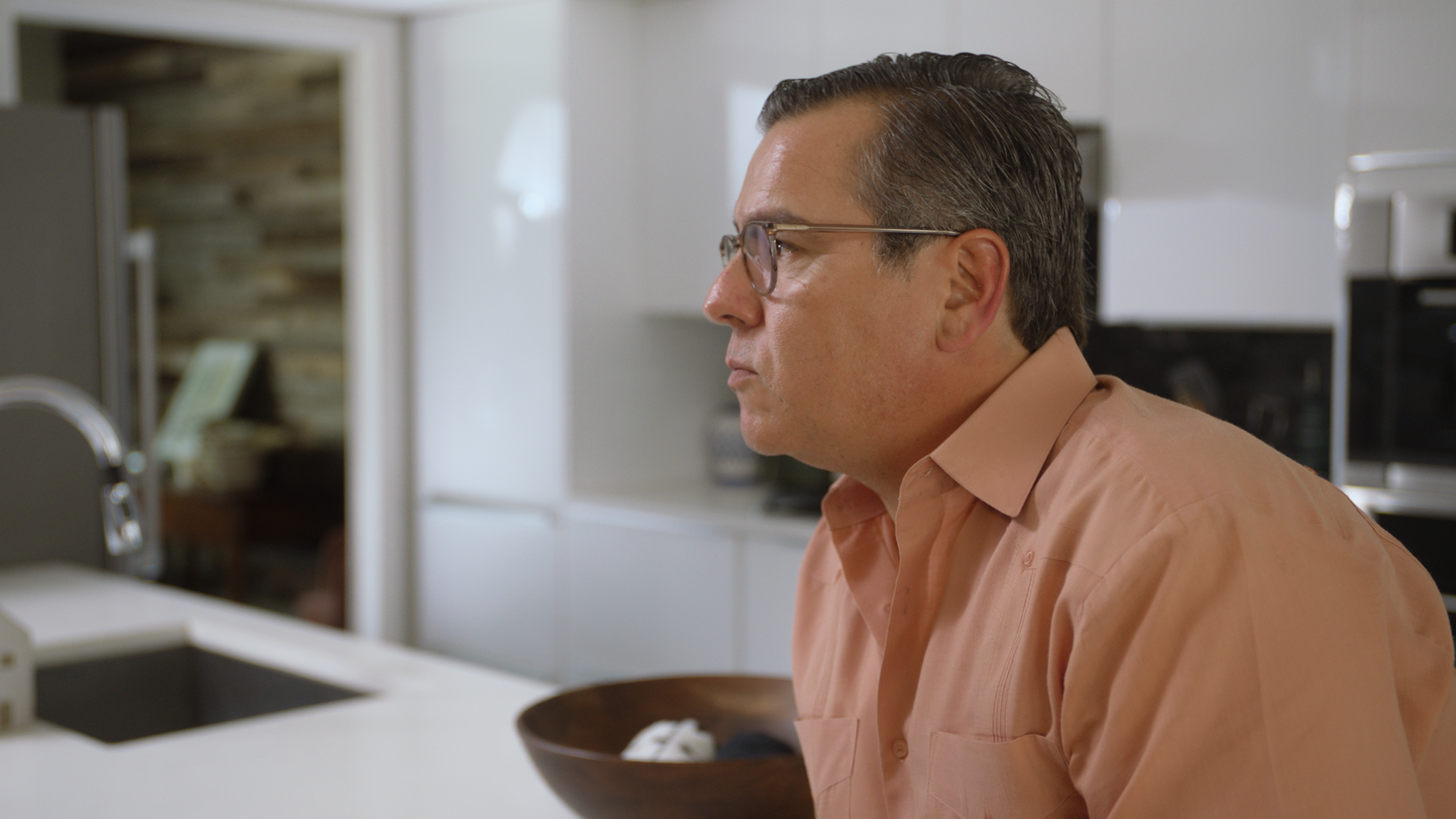
Samuel: If you take away the rights of any one person, you take away the rights of everybody.
I think that’s what men don’t realize when they restrict abortion access to women, when they defund Planned Parenthood. If you’re taking away the rights to one person, that means you’re taking away everybody’s rights.
Just because you have some cash and you can maybe fly to get an abortion elsewhere, it doesn’t mean that person can take care of it. That’s one particular situation, but that’s not everybody’s.
We’re half the battle. Well, 49%, technically.
But behind every pregnancy is a man. That’s just biologically true. Behind every pregnancy is a man. So we need to speak up. We need to be in this fight, bro.
Kazique: For sure, man.
explore more stories from abortion in america

Leitaea Lowrimore went to three ERs in two states in the middle of a medical crisis. No one would treat her.
Kishaya Holloway is an artist in Arkansas. She never questioned her decision to have an abortion, only the barriers that made it difficult to access care.