Abortion in America
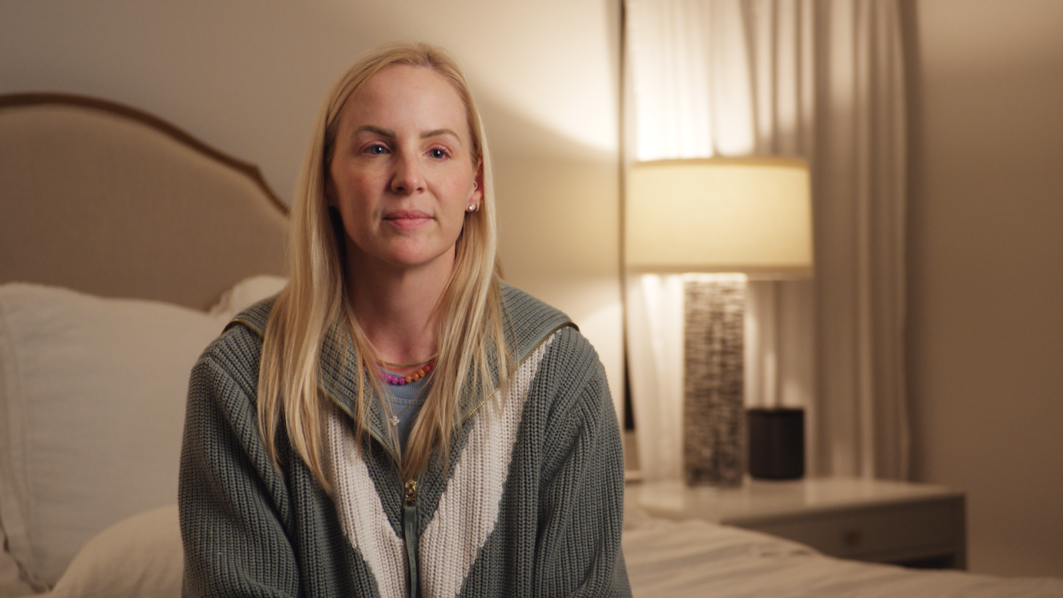
Dr. Austin Dennard is a Texas OB-GYN. She also had to flee the state to get an abortion. Both experiences have changed her.
Synopsis
Dr. Austin Dennard loves practicing medicine in Dallas, Texas. But when she needed her own abortion in 2022, she had to leave home to get life-saving care out of state. She spoke with Abortion in America in Texas about how her experience reshaped how she practices medicine and how she relates to her patients as an OB-GYN under her state’s abortion ban.
Austin: My job as a doctor changed when Roe was overturned.
I’ll never forget coming home from work, getting the kids down, sitting on the sofa with my husband, who’s also an OB-GYN, and saying, “What are we going to do now?”
Before the abortion ban, we counseled patients openly, without fear that we were aiding and abetting an abortion, helping patients get the care they needed down the street. That immediately was taken away. It was the beginning of a new era of practicing obstetrics.
We sat on the sofa and thought about people we knew who lived in different states. We came up with a list of people we could call, text, or otherwise reach out to if our patients needed that type of care.
I look back and think, gosh, we were so naive.
That night, all we talked about were horrible genetic diagnoses or anatomical findings on an ultrasound. Never in my wildest dreams did I think that moment would translate into delayed emergency care: miscarriages being misdiagnosed or overlooked, doctors too terrified to treat an ectopic pregnancy, women unable to get medication.
In that moment, I didn’t understand how it was going to translate into such catastrophic moments.
Sitting here now, I think, How did we not realize this? Of course, that’s what was going to happen. These abortion bans were put in place to cause cruelty and harm. Back then, I was too naive to realize that. But now that we’ve been living it for this long, I started to understand why.
Never in a million years did I think I would be the person who needed care.
Editor’s note: When Dr. Austin Dennard was pregnant in 2022, she learned her baby was developing without a fully-formed skull and brain. Her baby would either not survive the pregnancy or die shortly after being born. She was forced to travel to the east coast to get an abortion.
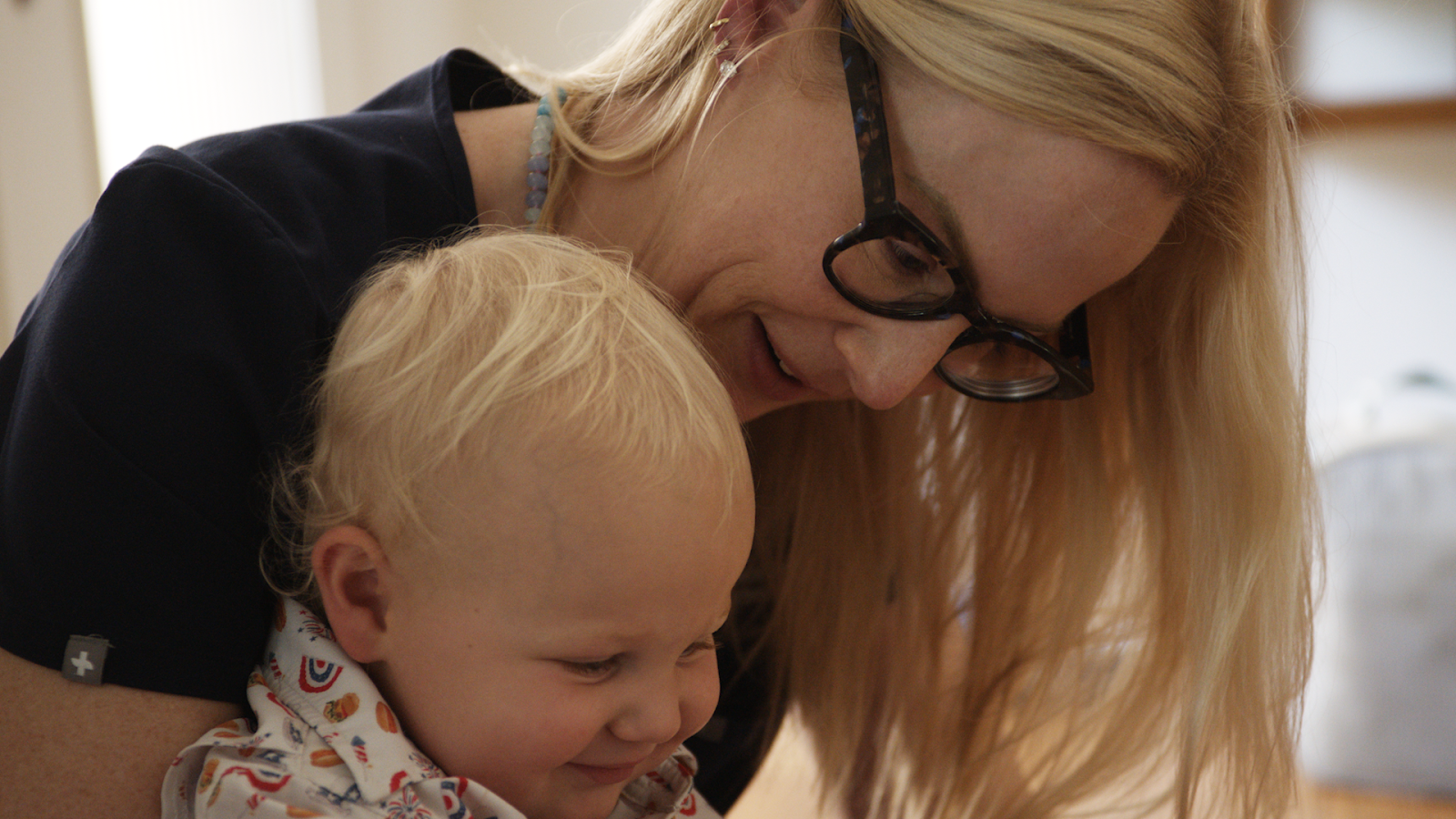
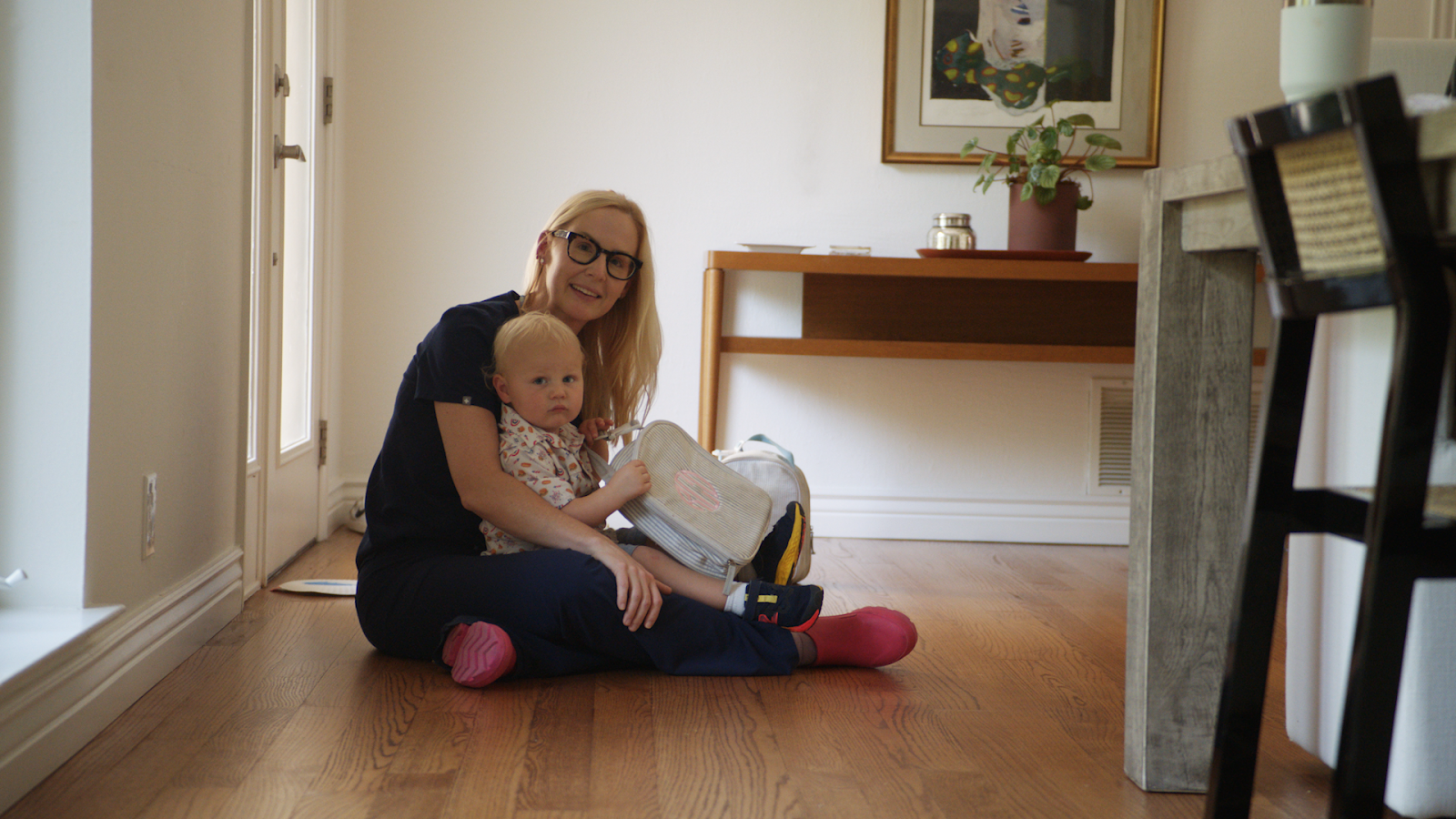
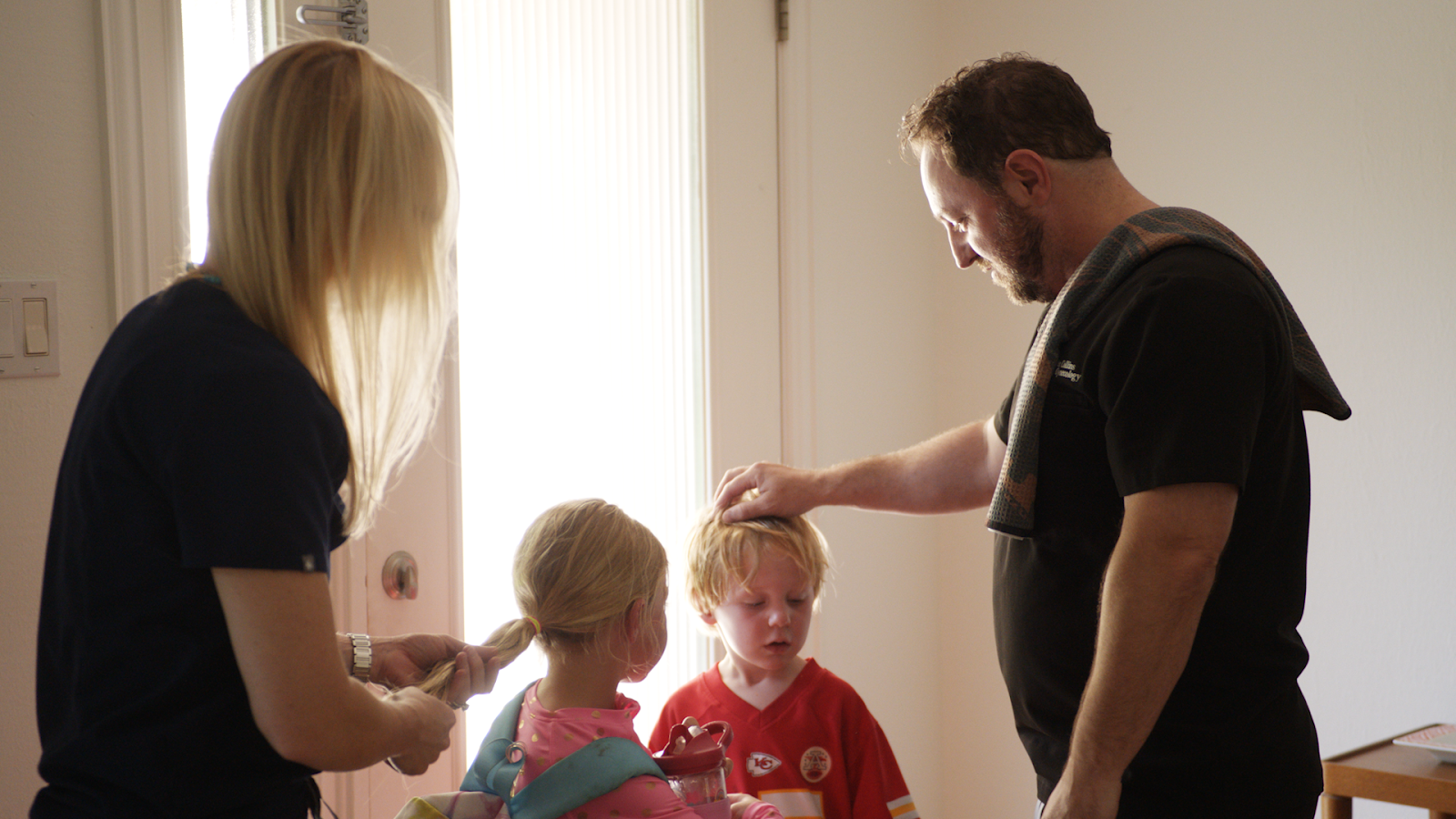
My husband and I knew what the landscape was in our state when it came to a lack of access to care, but that didn’t change the fact that we wanted to grow our family. We had a frank conversation about pregnancy planning and decided that we still wanted to try to get pregnant.
If anything happened where I needed abortion care, we had friends we could reach out to. Because we are both OB-GYNs, we knew some close friends could help us get an abortion if we needed it out of state. That was our plan.
What I didn’t anticipate was how painful it would be to have to flee my home state to get the care that I needed.
Never in a million years did I think I would be the person who needed care.
As OB-GYNs, my husband and I knew the endless number of complications that can happen in a pregnancy, but there’s a disconnect between what you read in textbooks and having it happen to your own body.
When I went for an ultrasound as a patient, I was excited to become a mother again, excited to have a little brother or sister for our two children. But looking up at the screen and seeing a fetus without a skull, without a formed brain, was catastrophically difficult.
It’s a moment I will never forget, because I was looking up at the screen as an OB-GYN, but also as a mother—hoping that what I was seeing was wrong, but knowing in my heart this was a pregnancy that would never be a brother or sister to my children. And in that moment, I realized I had to find care, and I had to find it as soon as possible.
Every moment I stayed pregnant, every hour, every day without the access to care that I needed, I was more and more in danger. What if I bled out? What if I got infected? What if, what if, what if, what if?
It immediately went from grieving a pregnancy that I so desperately wanted to having to figure out, logistically, how to get an abortion—all while feeling disbelief that I couldn’t get this care in my home state.
I’m a doctor. I’ve studied all of this. I knew exactly what I needed to do in order to preserve my fertility and grow my family. I knew exactly what the diagnosis was. But none of it mattered. The state took that choice away from me as if they knew better than I did.
I went to my car in the same hospital parking lot I walk through every day to take care of my patients. I started scrolling through my phone, looking for an out-of-state provider I thought I could get into, cold calling and saying, “I’m from Texas. Is there any way you can help me get care?” I did that before I even talked to my family, because I had to get the care and I had to get it as soon as possible.
Packing to travel for my abortion was cruel, too. I remember thinking, What do I pack for an out-of-state abortion in July? Do I wear jeans? Do I wear a dress? I don’t want to wear pajamas. I don’t want to wear sweatpants. What if I start bleeding heavily on the flight home?
I bought this cotton black dress, thinking I could wear it in the heat of the summer, and if I hemorrhaged on the airplane, no one would be able to tell. It was the kind of bag that you never think that you’ll pack, completely different from the bag you pack when you go to the hospital to have a baby.
Every moment I stayed pregnant, every hour, every day without the access to care that I needed, I was more and more in danger.
Our experience with our family has changed us. It’s formed who we are as doctors, and who we are as human beings.
It gives us more compassion when people receive difficult diagnoses. There’s a new level, a visceral connection, that I have.
There is a weight I now feel on my shoulders in a way I never did before, one that will never escape me when I’m taking care of somebody. My husband feels the same way.
There are instances where I can provide abortion care in Texas because of the confidence I have in my team and in the hospital. But there are also many situations where I cannot provide the care that someone needs. When that happens, it’s so incredibly painful.
In many ways, it is more difficult and re-traumatizing than when I had to go out of state for my own care, which might sound strange. It’s reliving that trauma over and over again, and it goes against every ounce of our training and all of our medical knowledge.
There’s this idea that doctors are confused or not acting in the best interest of patients, but the hesitancy and concern is a direct result of these abortion bans.
In an emergency situation, every second counts. You have to feel secure that providing an abortion is going to save a life, and that no one else is going to question you for doing it. That weighs a lot on someone. We’re making split-second decisions.
I tell patients, “I know I’m a good doctor. We are going to take good care of you—everyone in my practice—we’re not going to let anything bad happen to you.” But I don’t know how comfortable someone down the street, in a different city, or in another state would be providing this care.
Our experience with our family has changed us. It’s formed who we are as doctors, and who we are as human beings.
I keep thinking about a patient I saw recently who I’ve taken care of for five years now. She is a labor and delivery nurse, and I delivered her first baby. We were working on getting her pregnant, and everything was looking really good.
Then, last week, I got a message from her saying she started having pain. She went to the nearest hospital and had emergency surgery for an ectopic pregnancy. She had three liters of blood transfused and almost died. When I saw her, I just threw my arms around her, because it could have been so different.
What if she had ended up in a hospital where there was delayed care because of that positive pregnancy test? Or the ER doctor was nervous to call the OB-GYN on call? Or God forbid, the OB-GYN didn’t want to operate? Because there are places where that’s happening.
Thank God it was someone with incredible training, at a hospital with a community that felt safe practicing standard medicine, knowing this was an emergency situation and that they have to take care of this patient, even if it’s an abortion. It’s the same medicine I learned in residency.
Thinking about her has been weighing on me. When you’ve gone through your own trauma and pregnancy losses, like I have, you see yourself in those patients. They’re at the beginning stages of the grief and still are processing so much of it.
Last week I had a new patient come to see me—a sweet couple who really wanted to get pregnant. With their first pregnancy last year, they received a devastating diagnosis that required them to travel out of state. You can just see the pain in their eyes, both of them, and that kind of pain never goes away.
It’s reliving that trauma over and over again, and it goes against every ounce of our training and all of our medical knowledge.
You can’t put into words what it feels like to be in a situation like this. That is one of the many reasons why a lot of my colleagues are stopping obstetrics or they’re moving out of Texas. It’s too painful.
My husband and I talk about whether or not we need to leave. Every time we bring up if we feel comfortable practicing obstetrics here, we think about our patients and our Hippocratic Oath, which is to do no harm. And while in many instances we feel like it’s hard to fulfill that Hippocratic Oath, there are so many patients that still need us. Our love for the speciality still outweighs those moments that are incredibly difficult.
I’m a sixth-generation Texan. My great-grandfather and my great-great-great-grandfather were doctors in Texas. He was the guy on the horse that would come to your house to make house calls. The heritage of providing care for people and being a medical provider in our state feels ingrained in my DNA. I want my children to grow up here with their grandparents. I want to be close to family. At the end of the day, family is the most important thing in the world, right?
That’s why we’re here. If you love something, you fight for it.
If this happened to you or someone you love, contact Abortion in America or reach out to our team directly at Amplify Legal.
explore more from abortion in america
Woman said she went into sepsis before she could get lifesaving abortion care in Texas
She thought she found an abortion clinic. It was a crisis pregnancy center.